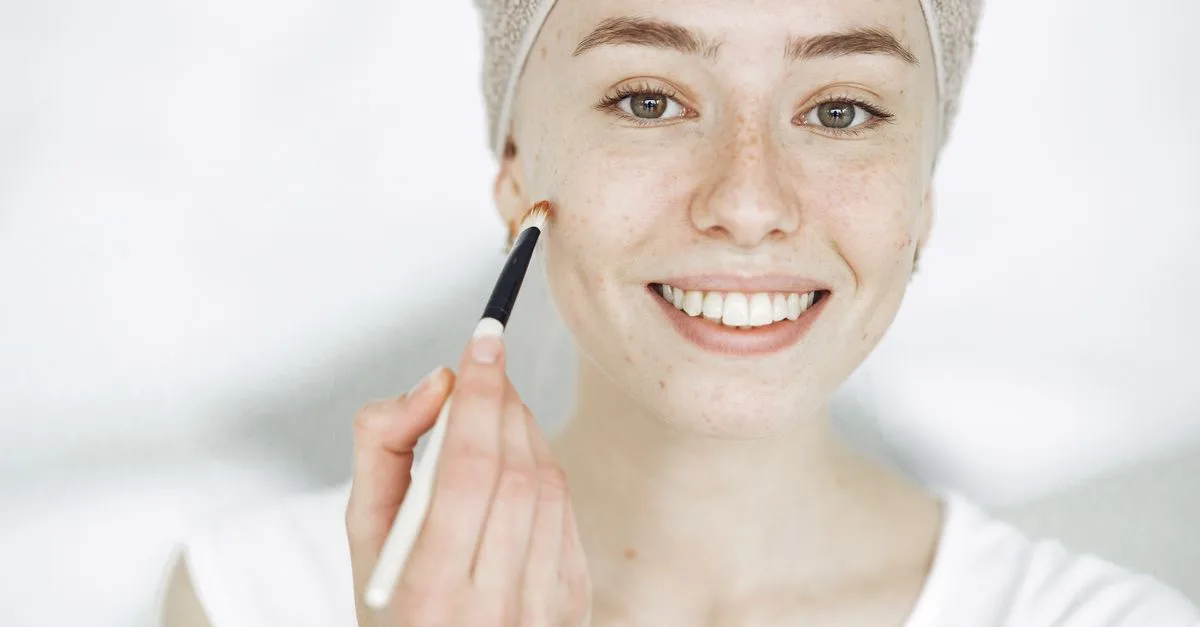
Acne Scars: Why Do They Form and How Are They Classified?
Acne scars refer to various types of marks that occur when acne inflammation damages skin tissue. They can be broadly categorized into pigmented scars, such as red or brown marks, and depressed scars, which result from the loss of skin tissue. In this article, we will delve into the main types of acne scars and the appropriate treatment procedures for each.
Why Do Red Acne Marks (Post-inflammatory Erythema) Occur?
Red acne marks are a phenomenon that appears due to the expansion of capillaries or the formation of new blood vessels within the skin as a result of an inflammatory response to acne. Strictly speaking, this is closer to a temporary skin reaction occurring after inflammation rather than a permanent scar. While they often fade naturally over time, they can persist longer if the inflammation was severe or if there was significant UV exposure. If red marks persist for a long time, they can sometimes turn into brown marks.
- Characteristics: The skin surface turns red, and the color may temporarily lighten when pressed.
- Treatment Procedures: Vascular lasers (e.g., V-beam, Excel V), IPL, and brightening treatments can be helpful. It is important to consult with a specialist to determine the appropriate procedure for your skin condition.
Why Do Brown Acne Marks (Post-inflammatory Hyperpigmentation) Occur?
Brown acne marks are a phenomenon that occurs when excessively produced melanin pigment deposits in the epidermal or dermal layers of the skin after inflammation. They are particularly common in people with darker skin tones and can become darker with exposure to ultraviolet light. Similar to red marks, they can fade over time, but active management may also be necessary.
- Characteristics: Brown or reddish-brown spots appear on the skin surface.
- Treatment Procedures: These include laser toning, IPL, brightening treatments, vitamin C iontophoresis, and application of depigmenting ointments. It is advisable to consult with a specialist to establish an appropriate treatment plan.
Types and Characteristics of Depressed Acne Scars (Atrophic Scars)
Depressed acne scars appear as indentations on the skin surface due to the destruction of surrounding skin tissue (collagen, elastin, etc.) as acne inflammation worsens. Once tissue is destroyed, it is difficult for it to regenerate naturally, thus requiring active treatment. Depressed scars can be categorized into several types based on their shape.
- Icepick Scar: Deep and narrow indentations, as if punctured by an icepick, which may resemble enlarged pores. They are located deep in the dermis, making them one of the most challenging scars to treat.
- Boxcar Scar: Broad, well-defined depressions with sharp, angular edges, similar to chickenpox scars. They are characterized by vertical walls, and the difficulty of treatment varies with depth.
- Rolling Scar: Broad, shallow depressions that give the skin a wavy, uneven appearance. They often result from fibrous bands under the skin pulling the epidermis down.
How Can Depressed Acne Scars Be Treated?
Various procedures can be applied to depressed acne scars depending on their type and depth. It is common to combine multiple procedures, and consistent treatment is crucial.
- Fraxel Laser: A procedure that induces collagen regeneration by creating controlled micro-injuries to the skin with microscopic laser beams. It can be effective for rolling scars or shallow boxcar scars.
- Pico Laser: Delivers powerful energy in picosecond pulses to improve pigmentation and induce collagen regeneration, which can help improve scars.
- Erbium YAG Laser (Er:YAG Laser): Precisely ablates the skin surface, which can smooth the edges of boxcar scars or rolling scars.
- TCA CROSS Procedure: Involves directly applying a high concentration of TCA solution to icepick scars or deep boxcar scars to stimulate new tissue formation.
- Subcision: A procedure that uses a needle to break up fibrous bands under the skin that cause depressed scars, such as rolling scars.
- Filler Treatment: Involves injecting hyaluronic acid fillers into deeply depressed scar areas to immediately restore volume. It can be combined with other procedures to enhance effectiveness.
- Skin Boosters (e.g., Juvelook, Rejuran): Involve injecting ingredients that promote skin regeneration to induce collagen production and help improve the skin environment.
Acne Scars: Consultation with a Specialist is Essential
Acne scar treatment methods and their effectiveness can vary significantly depending on an individual's skin type, scar type and depth, and the time of occurrence. Therefore, rather than self-diagnosis, it is crucial to consult thoroughly with a dermatologist to accurately diagnose your scar condition and establish the most suitable treatment plan. We hope you can regain clear and healthy skin through consistent and proper management.
Clinics with Registered Related Procedures
- Gangnam Laren Clinic (Gangnam-gu) — Registered Procedures: Acne PDT
- Mi&Mi Clinic Centum Branch (Haeundae-gu) — Registered Procedures: Acne PDT, Fractional Laser
- Hosu Clinic (Hanam-si) — Registered Procedures: Fraxel
Listed alphabetically and not in order of ranking or medical recommendation. Procedure information is based on content registered by each clinic. (Source: Keudeomjip)