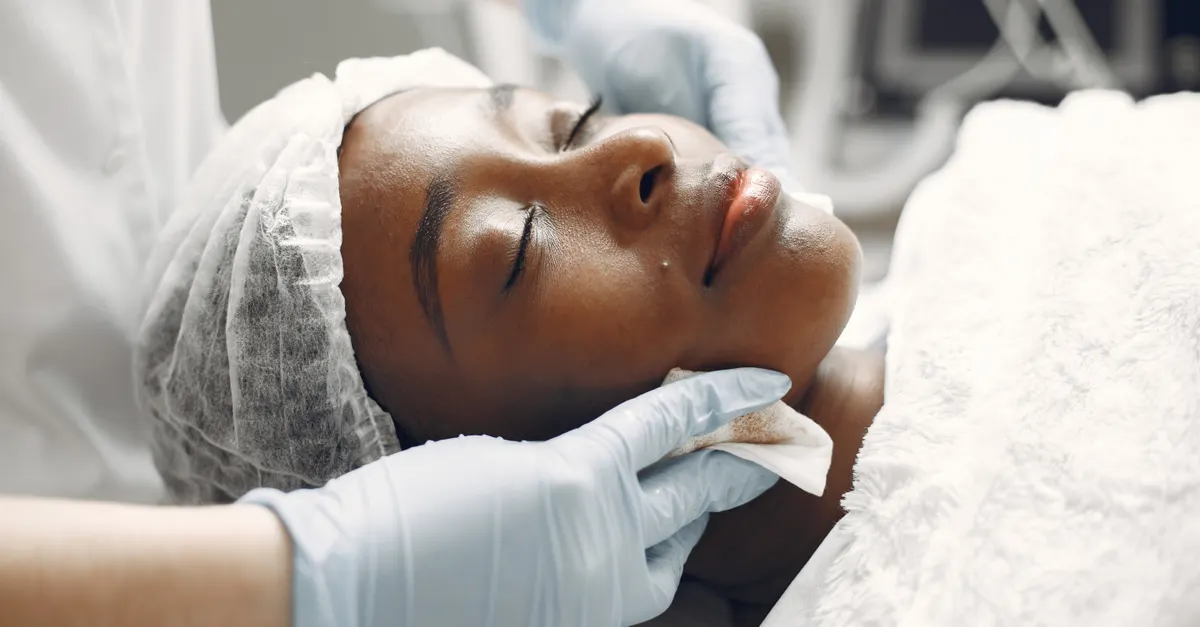
Post-Laser Hyperpigmentation (PIH): Why It Happens and How to Manage It
After a laser treatment, the treated area can sometimes darken into a brownish or deeper tone. This is known as post-inflammatory hyperpigmentation (PIH). When a laser delivers micro-thermal stimulation to the skin, the resulting inflammatory response can overactivate melanocytes, and this tends to be relatively more common in skin types with active melanin production, such as many East Asian skin types.
Why does PIH happen?
When heat or physical stimulation is applied to the skin, inflammatory mediators are released at the border of the epidermis and dermis, stimulating melanocytes to overproduce melanin. PIH can be more pronounced when the treatment intensity is high, when the skin is exposed to sun afterward, or when a person's skin is naturally prone to pigmentation. Because individual differences can be significant, the degree of pigmentation can vary widely even among people who received the same treatment.
Is sun protection after laser treatment really that important?
Yes, it is very important. Right after treatment, the skin barrier is weakened and melanocytes are more sensitive, so sun exposure can worsen pigmentation. It can help to apply sunscreen consistently even indoors after treatment, and to combine it with physical protection such as a hat or umbrella when going outside. Sun protection is considered one of the most fundamental principles of prevention.
How should I care for my skin right after treatment?
The priority is avoiding further irritation to the treated area. It is generally best to avoid washing with hot water or using exfoliating products or high-concentration acids right away. Focus on restoring the skin barrier with a gentle, soothing moisturizer, and if scabs or flaking skin appear, letting them fall off naturally rather than picking at them can help reduce the risk of pigmentation.
What if pigmentation has already appeared?
PIH tends to fade gradually over time in most cases, though complete resolution can take several months and varies by individual. If the pigmentation is pronounced or persists for a long time, additional pigment-focused treatments such as laser toning may be considered, but the timing and method should only be decided after consulting a physician who has directly examined the skin. Pushing ahead with additional treatment while inflammation has not yet settled can actually worsen pigmentation.
What habits help prevent recurrence?
Making sunscreen a daily habit, not just after treatments, and reducing friction or pressure that can irritate the skin may help lower the chance of pigmentation recurring. It can also help to inform your provider about your skin type and any history of pigmentation before treatment, so the intensity and method can be adjusted accordingly. This information is for general reference only; an accurate diagnosis and treatment plan require consultation with a dermatologist.