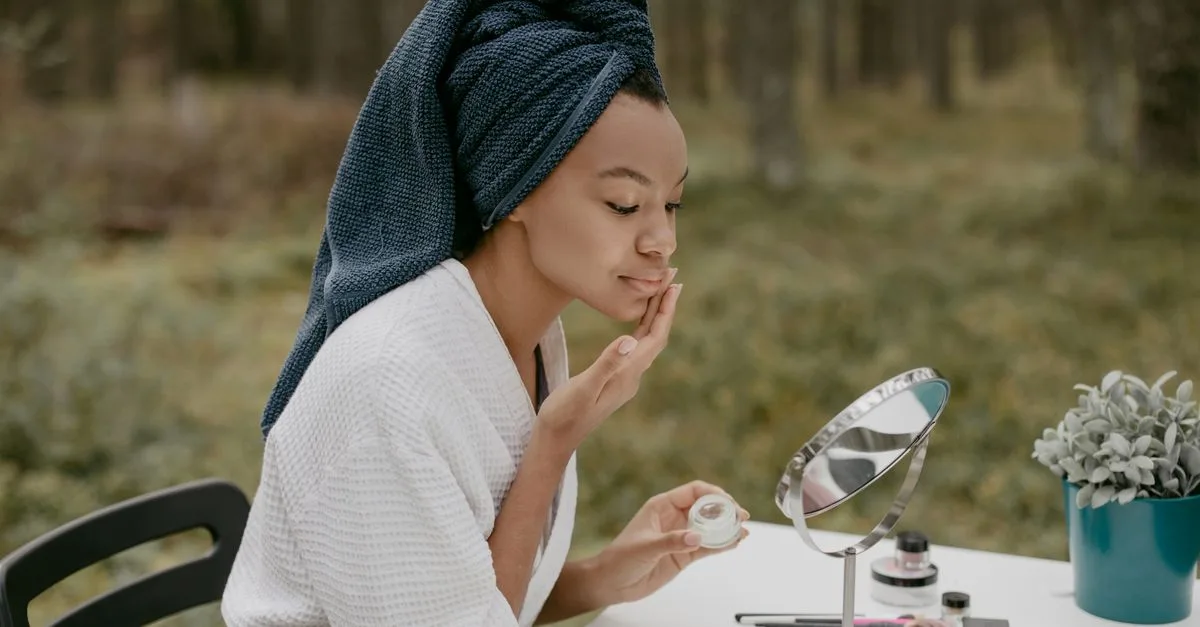
Adult Acne: Why Does It Keep Recurring?
Adult acne refers to acne that develops after the age of 20, exhibiting different characteristics from adolescent acne and tending to recur. It primarily appears in the U-zone areas such as the chin, around the mouth, and neck, often presenting as deep inflammatory lesions. The recurrent occurrence of adult acne can be triggered by complex factors including hormonal imbalance, stress, poor lifestyle habits, and cosmetics.
What are the Main Causes of Adult Acne?
Adult acne arises from a combination of various factors. The main causes are as follows:
- Hormonal Changes: In women, hormonal changes due to menstrual cycles, pregnancy, or menopause significantly influence acne development. Particularly, excessive secretion of androgen hormones can stimulate sebaceous glands, increasing sebum production and worsening acne.
- Stress: Stress can promote the secretion of adrenal cortical hormones, stimulating sebaceous glands and inducing inflammatory responses. Chronic stress can impair skin regeneration, making acne more likely to occur and worsen.
- Lifestyle Habits: Irregular sleep, excessive alcohol consumption, smoking, and Westernized dietary habits (high sugar, high-fat food intake) can increase systemic inflammatory responses and promote sebum secretion, contributing to acne development.
- Cosmetics and External Irritation: The use of comedogenic cosmetics that clog pores, excessive skin friction, or improper cleansing habits can also irritate hair follicles, causing or exacerbating acne.
- Genetic Factors: A family history of acne may increase the likelihood of developing it.
Chin Acne: Why Is It Particularly Common in This Area?
Frequent acne around the chin is one of the common characteristics of adult acne. The chin area has more developed sebaceous glands compared to other areas and tends to react sensitively to hormonal changes. Especially in women, hormonal fluctuations related to the menstrual cycle can stimulate sebaceous glands around the chin, making it prone to acne.
Furthermore, habits like resting the chin on hands, friction and humid conditions from mask-wearing, and shaving are external irritants that can worsen chin acne. These complex factors contribute to the recurrent occurrence of chin acne.
What are the Dermatological Treatment Options for Adult Acne?
Since adult acne has diverse causes and frequent recurrences, professional diagnosis and personalized treatment are crucial. Dermatologists can offer various treatment options, considering the patient's acne type, severity, and lifestyle habits comprehensively.
- Medication:
- Oral Medications: For moderate to severe acne, antibiotics, sebum secretion inhibitors (isotretinoin), and hormone regulators (such as oral contraceptives) may be prescribed. When taking isotretinoin, regular blood tests may be required under the guidance of a specialist.
- Topical Agents: Retinoids, benzoyl peroxide, and antibiotic ointments can help reduce inflammation, regulate keratinization, and improve clogged pores.
- Extraction and Scaling: Comedones (blackheads, whiteheads) or pustules are hygienically removed to prevent inflammation from worsening and aid recovery. Scaling helps remove dead skin cells and open pores, effectively improving acne.
- Chemical Peeling: Chemical peels using salicylic acid, glycolic acid, etc., can help remove dead skin cells, cleanse pores, and regulate sebum secretion, thereby improving acne.
- Laser and Light Therapy:
- PDT (Photodynamic Therapy): This treatment uses specific wavelengths of light and a photosensitizer to destroy sebaceous glands and sterilize acne bacteria.
- IPL/Laser Toning: Can help alleviate post-inflammatory erythema (red marks) and improve skin tone.
- Acne-Specific Lasers: Specific wavelengths of lasers can be used to selectively destroy sebaceous glands or reduce inflammation.
- Injection Therapy: For severe nodular acne, steroid injections can quickly reduce inflammation.
The efficacy and side effects of these treatments may vary depending on an individual's skin condition and the severity of acne. Therefore, it is crucial to consult thoroughly with a dermatologist to establish a personalized treatment plan.
Lifestyle Improvements for Preventing Adult Acne Recurrence
Alongside dermatological treatment, improving lifestyle habits is essential to prevent the recurrence of adult acne.
- Regular Lifestyle: It is important to get enough sleep and manage stress. Finding suitable stress-relief methods such as meditation or exercise is recommended.
- Balanced Diet: Reducing the intake of high-sugar, high-fat foods and maintaining a healthy diet rich in vegetables and fruits can be beneficial.
- Proper Cleansing and Skincare: Gently cleanse twice a day with a mild cleanser and use non-comedogenic products that do not clog pores. Excessive exfoliation can irritate the skin, so caution is advised.
- Sun Protection: UV radiation can worsen skin inflammation and cause hyperpigmentation, so consistent use of sunscreen is important.
Adult acne is caused by complex factors and tends to recur easily. Therefore, effective improvement requires a combination of accurate diagnosis, professional treatment, and consistent lifestyle management. If you are struggling with recurrent adult acne, it is important to consult with a dermatologist to find the optimal solution tailored to your skin condition.
Clinics with Registered Related Procedures
- Gangnam Laren Clinic (Gangnam-gu) — Registered Procedure: Acne PDT
- Miandmi Clinic Centum Branch (Haeundae-gu) — Registered Procedures: Acne PDT, Acne Peeling
- Hosu Clinic (Hanam-si) — Registered Procedure: Acne Injection
Listed in alphabetical order and not a ranking or medical recommendation. Procedure information is based on content registered by each clinic. (Source: Keudeomjip)