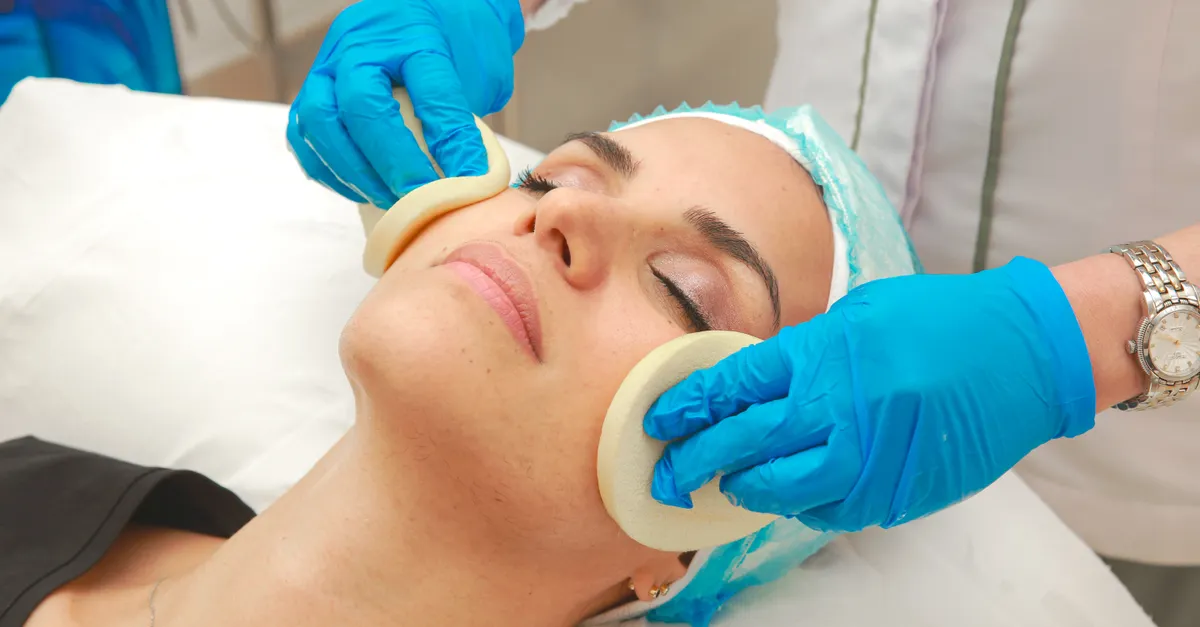
Volnewmer Radiofrequency Lifting: How It Works and What to Know Before Treatment
As more people look into options for sagging skin and reduced elasticity, the name "Volnewmer" has been coming up more often. Volnewmer is one of a newer generation of radiofrequency (RF) lifting devices, using non-invasive or minimally invasive energy delivery, and it has been adopted by a number of dermatology clinics in recent years. This article summarizes, from a general medical-information standpoint, how RF lifting typically works, what characterizes the device category Volnewmer belongs to, and what's worth knowing before considering the treatment.
How does radiofrequency lifting actually work?
RF lifting delivers electrical energy at a specific frequency deep into the skin to generate thermal stimulation. This heat is understood to reach collagen fibers in the dermis, temporarily altering their protein structure and triggering a stimulation response; the body's natural healing process is then thought to induce collagen regeneration afterward. Newer-generation RF devices such as Volnewmer are often described as having tips that allow adjustment of energy depth and intensity, which can be tailored to skin thickness and degree of sagging in different areas. That said, individual responses and outcomes can vary depending on skin condition, age, and lifestyle factors.
How does it differ from earlier RF devices?
RF lifting devices vary by manufacturer and generation in terms of energy delivery method, cooling systems, and tip design. Volnewmer is a relatively recently introduced RF-category device, often described as using a needle-type tip to deliver energy more locally into the dermis and subcutaneous fat layer. This approach differs from methods that stimulate a broader surface area, but which approach suits a given individual best depends on their skin condition and area of concern, so it is difficult to make a blanket judgment about superiority. A consultation with a board-certified dermatologist beforehand is needed to determine the approach appropriate for your skin.
Which areas is it typically used on?
RF lifting is commonly used for overall facial elasticity concerns, and Volnewmer is often described as being applied to areas where sagging is more noticeable, such as the cheeks, jawline, and periorbital area. However, the extent and intensity of treatment applied is a matter for the treating physician to determine, taking into account skin thickness, elasticity, and any underlying conditions. For more delicate areas such as around the eyes or forehead, careful treatment planning that accounts for nerve and vascular distribution is especially important.
Is there pain or swelling afterward?
Because RF lifting relies on thermal stimulation, temporary warmth, redness, and mild swelling can occur immediately after treatment. For methods using needle-type tips, temporary bruising or swelling at the micro-insertion sites has also been noted as a possibility. These reactions generally tend to subside naturally over time, though recovery speed and reaction severity vary between individuals. If any abnormal reaction persists or worsens after treatment, you should contact the clinic where the procedure was performed right away.
What should be checked before treatment?
Eligibility for energy-based treatments like RF lifting can depend on individual health factors — such as pregnancy, certain chronic conditions, inflammatory skin conditions, or metallic implants in the body. It is essential to accurately disclose current medications, prior treatment history, and skin condition during a pre-treatment consultation, and to have the treating physician make a comprehensive assessment. Rather than deciding on your own whether to proceed, a thorough consultation with a specialist should come first.
How long do the effects last?
The collagen response induced by RF lifting is understood to develop gradually over weeks to months rather than immediately, and how long it lasts varies depending on an individual's rate of skin aging and lifestyle. Rather than expecting a permanent change from a single session, a more realistic approach is to consult a specialist about a maintenance schedule and complementary care suited to your skin.
This information is provided for general reference only. An accurate diagnosis and treatment plan require consultation with a board-certified dermatologist.
You can find more information on our skin health blog.