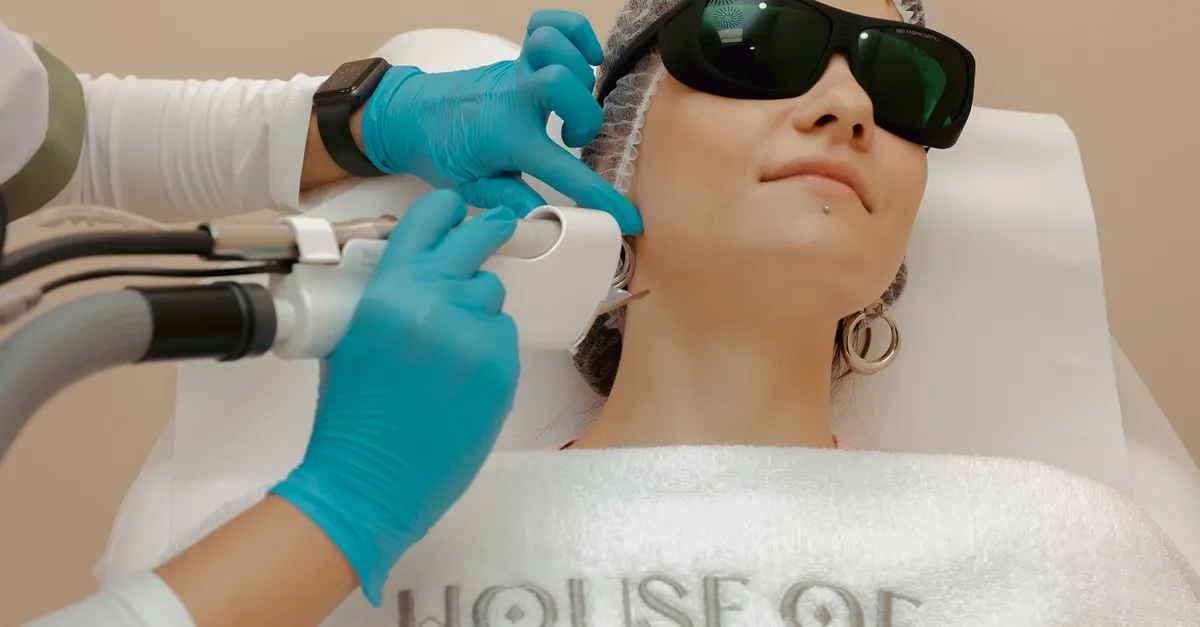
TuneFace Lifting: How It Works and Who It's For
For people concerned about sagging skin and loss of elasticity but hesitant about surgical procedures that involve incisions, non-surgical lifting treatments have remained a steady area of interest. TuneFace is a radiofrequency (RF) based lifting device that stimulates the dermis and subcutaneous tissue, and it has been adopted by a number of dermatology clinics in Korea. This article outlines how TuneFace works and the situations where it might be considered.
How does TuneFace actually work?
TuneFace delivers radiofrequency energy deep into the skin layers to induce controlled thermal stimulation. This heat stimulation is understood to cause contraction of collagen fibers in the dermis, followed by a healing response that promotes collagen and elastin regeneration. Through this process, skin elasticity may gradually improve over time. That said, the speed and degree of visible change vary between individuals, and a single session is generally not expected to produce a dramatic transformation — the treatment is typically approached as a series of sessions aimed at gradual improvement.
How is it different from other RF lifting devices?
There are many radiofrequency-based lifting devices on the market, and they differ somewhat in energy delivery method, tip design, and whether the approach is invasive or non-invasive. TuneFace belongs to this broader category of RF lifting devices, and a dermatologist will assess a patient's skin condition and degree of sagging to determine whether it is an appropriate option compared with other lifting alternatives. No single device can be said to be universally superior to another — the right choice depends on individual skin characteristics.
Who is a suitable candidate for this treatment?
This treatment is generally considered for mild to moderate loss of skin elasticity, early signs of a less defined facial contour, or for those who prefer to avoid surgical lifting or want to minimize downtime. On the other hand, individuals with significant skin laxity, those who are pregnant, those with implanted electronic devices such as pacemakers, or those with active skin infections or inflammation in the treatment area should consult a physician carefully before proceeding. Whether the treatment suits your specific skin condition should always be confirmed through an in-person consultation with a dermatologist.
Is there pain or swelling afterward?
During RF lifting treatments, patients may feel warmth or a mild stinging sensation, and sensitivity to this varies from person to person. Temporary redness or slight swelling can appear immediately after the procedure, and this typically subsides within a short period. However, recovery patterns differ considerably between individuals, so it is advisable to ask your provider beforehand what reactions to expect and how to care for the skin afterward.
How long do the results last?
The duration of results from RF-based lifting depends significantly on individual factors such as the rate of skin aging, lifestyle habits, and the number of sessions received. Because the effect relies on collagen regeneration, changes tend to appear gradually over weeks to months rather than immediately, and since natural aging continues afterward, periodic maintenance treatments may be needed to sustain results. If you are considering TuneFace, it is advisable to discuss your skin condition and expectations thoroughly with a dermatologist before making a decision.
What should you check before the procedure?
Before undergoing treatment, it is important to accurately inform your provider about any medications you are taking, prior skin procedures, and chronic health conditions. Reducing sun exposure and consistently using sunscreen afterward can also support skin recovery. Rather than placing blind trust in a particular clinic or device, it is important to have your skin condition properly assessed and to compare the pros and cons of different lifting options before making a careful decision. This information is provided for general reference only; an accurate diagnosis and treatment plan require consultation with a board-certified dermatologist.