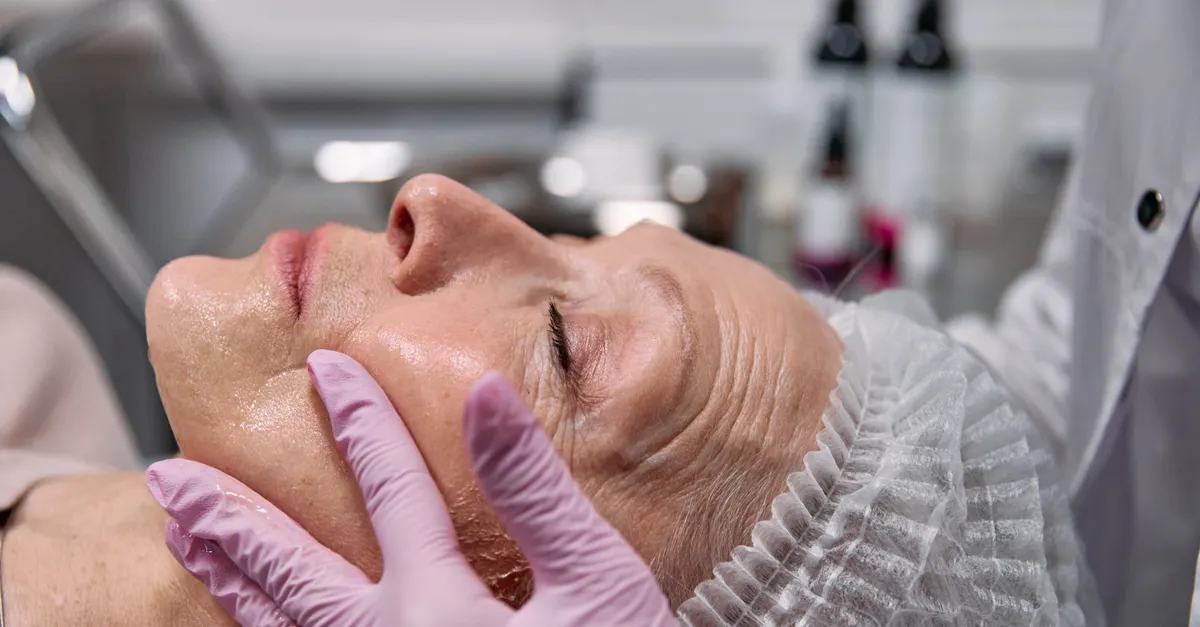
Why Skin Loses Elasticity, and How Collagen and Lifting Treatments Are Approached
Many people notice, when looking in the mirror, that their facial contours have softened and cheeks seem to sag more than before. This isn't simply a vague sign of aging — it reflects specific biological changes occurring within the structure of the skin. Let's look at why skin elasticity declines and what approaches are medically discussed to address it.
Collagen and Elastin: The Proteins Behind Skin Elasticity
Skin elasticity depends heavily on two proteins found in the dermis: collagen and elastin. Collagen acts as the skin's scaffolding, providing thickness and firmness, while elastin allows skin to stretch and return to its original shape. Collagen production tends to gradually decline year by year after the mid-20s, and external factors such as UV exposure, smoking, chronic stress, and irregular sleep can accelerate this decline. When both collagen and elastin decrease together, skin tends to thin, making sagging and fine lines more likely to appear.
Does Elasticity Loss Happen for Reasons Other Than Age?
Yes — age is a major factor, but not the only one. Rapid weight loss, skin changes after pregnancy and childbirth, photoaging from long-term UV exposure, and genetic predisposition all play a role. Notably, MMP (matrix metalloproteinase) enzymes, which break down collagen, are known to be activated by UV exposure, which is why consistent daily sunscreen use is often cited as a basic habit for elasticity care. That said, the pace and pattern of skin aging vary considerably between individuals, so it's difficult to generalize.
How Do Collagen-Boosting Treatments Work?
Procedural approaches to improving skin elasticity generally fall into two categories: directly injecting collagen or collagen-stimulating substances into the dermis, or using heat, ultrasound, or radiofrequency energy to trigger the skin's own collagen-regenerating response. Collagen injections are introduced as one procedure aimed at replenishing collagen in the dermis to improve volume and elasticity, often approached with the expectation of immediate volume along with gradual improvement in skin texture. However, the duration and extent of the effect vary by individual, and repeated sessions may be needed.
What Role Do Radiofrequency Lifting Treatments Play in Improving Elasticity?
Radiofrequency (RF) lifting treatments are described as working by delivering thermal energy to the dermis, which contracts existing collagen fibers while stimulating new collagen production. RF lifting treatments such as Thermage are known as a non-invasive method that delivers heat to the dermis without cutting the skin's surface, aiming to promote elasticity improvement. Changes tend to appear gradually over the following months as collagen regeneration progresses, rather than immediately after the procedure, so it's realistic to expect gradual improvement rather than a dramatic short-term result. The treatment area, intensity, and number of sessions can vary depending on individual skin condition, so this should be determined through consultation with a specialist.
Is There Anything I Should Check Before the Procedure?
Before considering an elasticity-improving procedure, it's important to accurately review your skin condition, any underlying medical conditions, medications you're taking, and prior treatment history with a specialist. Procedures may be restricted during pregnancy, in the presence of certain skin conditions, or while taking certain medications. Temporary swelling, redness, or minor bruising may occur afterward, which is often described as part of a normal recovery process that varies by individual — but if symptoms persist or seem concerning, you should contact the clinic where the procedure was performed.
Can Daily Habits Slow Down Elasticity Loss?
Beyond procedural approaches, everyday habits are known to influence skin elasticity maintenance. Daily sunscreen use, not smoking, adequate sleep and hydration, and balanced nutrition are commonly cited as general lifestyle habits that may help slow the rate of collagen loss. However, it's difficult to claim that these habits alone can reverse elasticity loss that has already progressed — they're best understood as preventive efforts.
This information is for general reference only. An accurate diagnosis and treatment plan require consultation with a board-certified dermatologist.