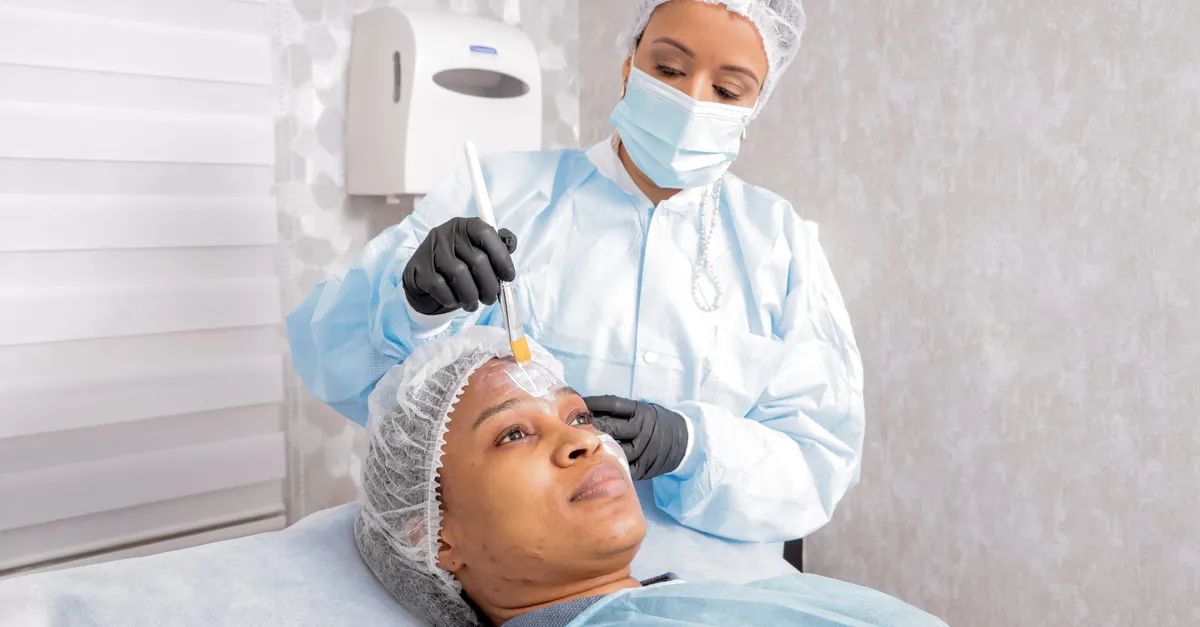
Neck Wrinkle Care: Comparing Botox, Lifting, and Skin Boosters
The skin on the neck is thinner than facial skin and has fewer oil glands, making it less able to retain moisture and collagen on its own. Add in the long hours many of us spend looking down at phones and computers, and it's easy to see why neck wrinkles are considered a common byproduct of modern habits. Sun exposure on the neck also tends to be less carefully managed than on the face, which can accelerate loss of elasticity in this area. Because of these characteristics, addressing neck wrinkles often calls for considering several approaches together rather than relying on a single method, depending on the cause and severity.
What causes neck wrinkles?
Neck wrinkles can broadly be divided into dynamic wrinkles and structural wrinkles. Dynamic wrinkles appear as horizontal bands caused by repeated contraction of the platysma muscle in the neck, while structural wrinkles result from a combination of reduced collagen and elastic fibers in the skin itself along with gravitational sagging. As we age, these two factors tend to overlap, disrupting the neckline and deepening wrinkles. Individual variation is significant, so people of the same age may show quite different patterns and degrees of neck wrinkling.
How does neck Botox work?
Neck Botox may be considered for horizontal band-type wrinkles caused by excessive muscle contraction. Botox works by temporarily blocking the release of neurotransmitters that trigger muscle contraction, which helps reduce the muscle activity involved. This is understood to help slow the progression of wrinkles caused by repetitive muscle contraction. However, because Botox focuses on wrinkles related to muscle movement, it may have limited effect on its own when skin laxity or sagging is the more prominent issue. The treatment area and dosage are determined by the physician based on the condition of the neck muscles and individual anatomical characteristics.
Can lifting treatments help with neck wrinkles too?
When skin laxity and sagging are also present, lifting treatments using radiofrequency or ultrasound energy are sometimes considered alongside other options. These energy-based devices are described as working by delivering thermal energy to deeper skin layers to stimulate collagen regeneration. That said, the neck has thinner skin and subcutaneous fat than the face, and important structures like the thyroid and carotid arteries are located nearby, so energy intensity and treatment area must be set with particular care. Results and how long they last vary between individuals, and the general approach is to aim for gradual improvement rather than expecting dramatic change from a single session.
Do skin boosters help with neck wrinkle care?
For concerns about fine lines and skin texture, skin booster treatments such as Rejuran are sometimes used alongside other treatments. These are understood to work by injecting substances into the dermal layer to support hydration and skin regeneration. Because neck skin is thin, it can be more sensitive to stimulation than other areas, so it's important to have the skin condition thoroughly assessed before treatment. Skin boosters do not address underlying muscular or structural sagging issues; they function more as a supportive measure aimed at improving skin texture and hydration.
Do I have to choose just one method for neck wrinkle care?
The right approach can vary depending on whether the wrinkles stem from muscle contraction, reduced skin elasticity, or a combination of both. In actual clinical practice, physicians often assess an individual's specific pattern of neck wrinkles comprehensively before deciding whether to combine treatments, rather than committing to just one method. That said, the sequence, interval, and intensity of combined treatments require professional judgment, so it's advisable to consult thoroughly with a specialist and plan accordingly rather than deciding on your own.
What should I be careful about with aftercare?
Whichever treatment is chosen, neck skin is sensitive to stimulation, so it's generally recommended to avoid massage, strong pressure, and direct sun exposure immediately afterward. Consistently using sunscreen and maintaining hydration in daily habits can also help sustain treatment results longer. It's more realistic to think of neck wrinkle management as an ongoing process of slowing progression and maintaining condition, rather than a cure. Reactions such as swelling, bruising, or temporary stiffness can occur after treatment and vary by individual, so it's best to be fully informed beforehand. This information is provided for general reference only; accurate diagnosis and treatment require consultation with a dermatologist.
Find more information on our skin health blog.