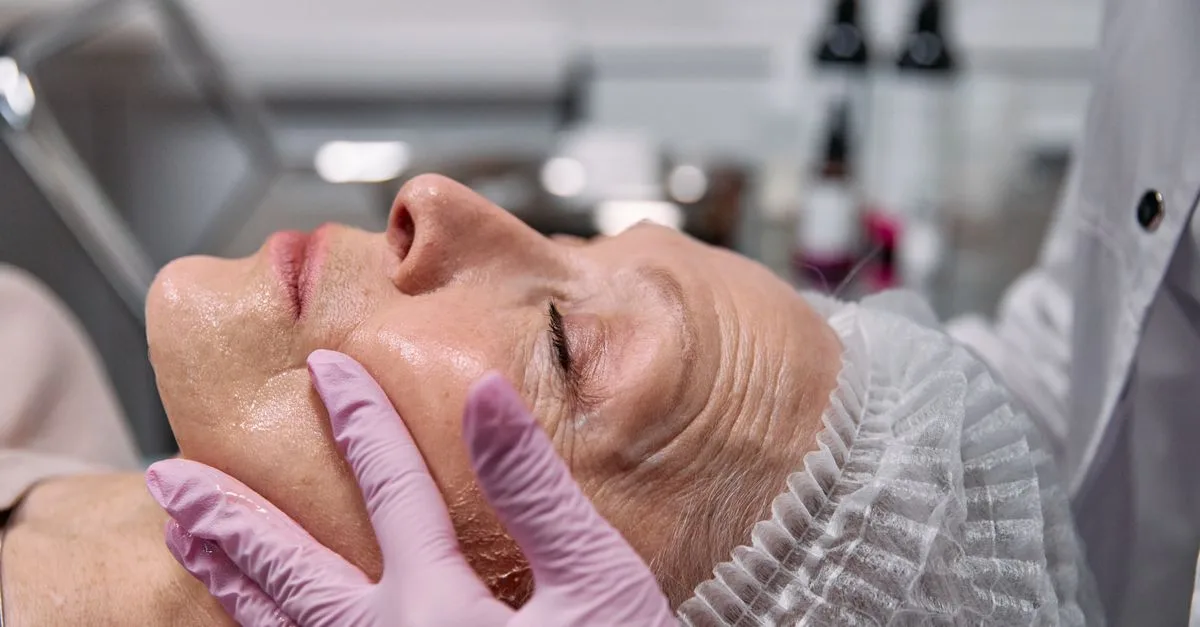
Why Korean Dermatology?
Korea is one of the world's leading countries in terms of dermatological procedure technology and accessibility. In Seoul's Gangnam-gu alone, hundreds of dermatology clinics are concentrated, where you can find the latest laser equipment and experienced dermatologists at relatively reasonable costs. With the K-beauty wave, the number of medical tourists visiting Korea from Japan, the US, and Southeast Asia for dermatological procedures is steadily increasing.
This guide summarizes the top 7 procedures most frequently received by foreign medical tourists at Korean dermatology clinics. It provides information on the characteristics of each procedure, suitable skin types, and precautions.
⚠️ Notice
This content is for informational purposes only. Please consult with a dermatologist before deciding on any procedure. Results may vary by individual and are not guaranteed.
1. Botox (Botulinum Toxin)
One of the most popular procedures in Korean dermatology. It improves wrinkles or corrects facial lines by temporarily inhibiting muscle contraction through the injection of botulinum toxin into the muscles.
| Primary Treatment Areas | Forehead, Glabella, Eye area, Masseter (jaw), Calves |
| Procedure Time | 10–30 minutes |
| Recovery Period | None to 1 day (Immediate return to daily life) |
| Duration | 3–6 months |
Why it's popular among foreigners: The procedure time is short and there is no recovery period, making it possible to receive during a travel itinerary. Masseter Botox is particularly popular among Japanese and Chinese tourists visiting Korea.
2. Dermal Filler
A procedure that injects hyaluronic acid gel into the skin to supplement volume or fill wrinkles. It is used to restore volume loss due to aging or to improve facial contours such as the nose and jawline.
| Primary Treatment Areas | Nasolabial folds, Forehead, Nose, Chin, Under-eye (tear troughs) |
| Procedure Time | 15–30 minutes |
| Recovery Period | 1–7 days (Varies by area) |
| Duration | 6 months to 2 years |
Precautions: Nose fillers carry a risk of vascular compression and must be performed by an experienced specialist. Hyaluronic acid fillers can be dissolved with hyaluronidase if necessary.
3. Laser Toning
A procedure that breaks down melanin pigment in the skin by repeatedly applying low-fluence Nd:YAG laser. It is effective for improving pigmentation, melasma, and blemishes, and is one of the most common laser treatments in Korean dermatology.
| Suitable Skin Type | Melasma, Blemishes, Pigmentation, Dull skin tone |
| Procedure Time | 20–30 minutes |
| Recovery Period | None to 1 day |
| Recommended Sessions | 4–8 sessions or more (2–4 week intervals) |
Why it's popular among foreigners: There is almost no recovery period and an immediate improvement in skin brightness, making it easy to receive during travel. However, multiple sessions are required for optimal results.
4. Pico Laser
A next-generation laser procedure that breaks down pigment by applying ultra-short pulse lasers in picoseconds (one-trillionth of a second). It causes less thermal damage and has higher pigment breakdown efficiency than conventional lasers.
| Suitable Skin Type | Moles, Melasma, Tattoo removal, Pigmented lesions, Skin rejuvenation |
| Procedure Time | 20–40 minutes |
| Recovery Period | 1–7 days (Varies by mode) |
| Features | Faster results compared to Laser Toning, less thermal damage |
Precautions: Recovery time varies depending on the mode and power output. High-power modes for pigment treatment may cause scabbing, so a thorough consultation with a doctor is necessary before the procedure.
5. Acne Treatment
Korean dermatology clinics have systematically developed acne treatment protocols. They provide customized treatments that combine lasers, injections, and skincare beyond simple extractions or prescriptions.
| Primary Treatments | Extraction, Acne injections, IPL, PDT, Medication prescription |
| Suitable For | Active acne, Acne scars, Pore issues |
| Recovery Period | Varies by treatment (1 day to 1 week) |
| Recommended For | Acne-prone skin in 10s–30s |
Why it's popular among foreigners: There are many reviews stating that chronic acne, which was not resolved in their home countries, improved after visiting Korean dermatology clinics. The ability to receive customized prescriptions after a specialist's diagnosis is a key strength.
6. Skin Booster / Hydration Injection
A procedure that supplements skin moisture and improves elasticity by micro-injecting diluted hyaluronic acid into the dermal layer. It is also called 'Mul-gwang (Water-glow) Injection' because of the dewy and glowing effect it gives the skin after injection.
| Suitable Skin Type | Dry, Sensitive, Dull skin, Early signs of aging |
| Procedure Time | 30–50 minutes |
| Recovery Period | 1–3 days (Injection marks, swelling) |
| Duration | 3–6 months |
Why it's popular among foreigners: Many seek it to boost skin condition before travel or for skin rejuvenation after travel due to its immediate skin-glowing effect.
7. Lifting Treatment
Non-surgical lifting procedures that improve skin sagging and loss of elasticity. Various methods such as Ultherapy (ultrasound), Thermage (radiofrequency), and Thread Lifting are available, chosen based on skin condition and goals.
| Type | Principle | Recovery |
|---|---|---|
| Ultherapy (HIFU) | Stimulates SMAS layer with focused ultrasound | None to 3 days |
| Thermage (RF) | Collagen regeneration with radiofrequency heat | None to 1 day |
| Thread Lifting | Physical lifting with dissolvable threads | 3–7 days |
Precautions: Lifting procedures often take 1–3 months for full effects to appear. It is better to have a medium-to-long-term plan rather than expecting immediate results during a short trip.
Checklist Before Visiting a Korean Dermatology Clinic
✅ Verify Specialist Status
Check in advance if a board-certified dermatologist performs the procedure. You can check the number of specialists at each clinic on K-Derm House (Keudeom-jip).
✅ Foreign Language Consultation Availability
Check in advance if the clinic offers consultations in foreign languages such as English, Japanese, or Chinese.
✅ Planning Post-Procedure Schedule
It is recommended to receive procedures requiring recovery time (fillers, thread lifting, etc.) at the beginning of your trip rather than the day before departure.
✅ Disclose Allergies and Medications
Be sure to inform the doctor of any medications you are taking and your allergy history. Procedures may be restricted for those taking anticoagulants or antibiotics.
Frequently Asked Questions
Q. Can I visit a Korean dermatology clinic without an appointment?
Most clinics recommend making an appointment. Especially in popular areas like Gangnam, clinics have many foreign patients, so visiting without an appointment may result in long wait times.
Q. Can foreigners use Korean dermatology clinics?
Yes, foreigners can use Korean dermatology clinics if they have their passport. Health insurance does not apply, so non-insured medical fees will be charged.
Q. Is it possible to fly after a procedure?
Procedures with short recovery times, such as Botox and Laser Toning, allow for flying on the same or the next day. For procedures requiring recovery, such as fillers or thread lifting, decide after consulting with your doctor.
This content is for informational purposes only and does not replace medical advice. Decisions regarding procedures must be made after direct consultation with a dermatologist. Data source: Health Insurance Review and Assessment Service (HIRA) public data and K-Derm House partner clinic information (as of 2026).