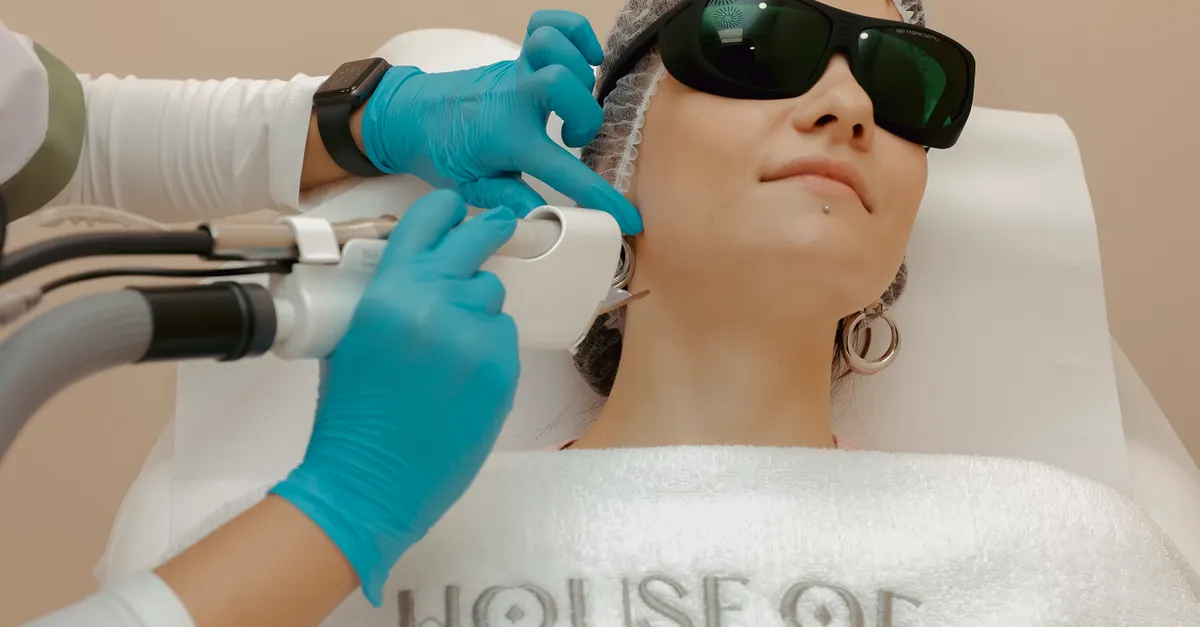
InMode FX and Forma — How Radiofrequency Lifting and Tightening Works
InMode is a well-known device brand that uses radiofrequency (RF) energy to improve skin firmness and facial contour through non-invasive or minimally invasive approaches. Among its modes, FX and Forma are widely used for addressing sagging, reduced elasticity, and texture concerns in the face and neck. While both rely on RF energy, they differ in how that energy is delivered and where they're typically applied. This article outlines the general principles behind each mode, what to expect, and general aftercare considerations.
What's the difference between InMode FX and Forma?
InMode FX uses fine, insulated microneedles that are inserted into the skin to deliver RF energy directly to the dermis at a controlled depth. Because the energy is delivered through the needles, it can reach deeper layers to stimulate collagen remodeling. Forma, on the other hand, is a non-invasive mode that delivers RF energy across the skin's surface without needles, generally involving less discomfort and a shorter recovery window. Which mode — or combination — is used often depends on the individual's skin condition, goals, and the degree of improvement desired.
How does radiofrequency energy actually work on the skin?
RF devices work by passing electrical energy through skin tissue to generate localized heat. This thermal stimulation is thought to trigger contraction of existing collagen fibers in the dermis, followed by a natural healing response that promotes new collagen and elastin production over time. These changes tend to develop gradually over several weeks to months rather than appearing immediately, and the degree of visible improvement can vary based on skin condition, aging factors, and the number of sessions performed. InMode devices typically monitor tissue temperature during treatment, which is considered an important safety feature for energy-based procedures.
Which areas and concerns is it typically used for?
InMode is generally considered for sagging along the cheeks and jawline, neck laxity, fine lines around the eyes, and overall skin texture improvement. It may also be planned alongside other treatments such as skin boosters or Thermage for individuals seeking a more comprehensive approach to facial contouring. As with any procedure, suitability depends on individual factors like skin thickness, degree of laxity, and any underlying health conditions, so a thorough consultation beforehand is important.
What is recovery like, and how should the skin be cared for afterward?
Forma tends to involve minimal downtime, often limited to mild redness that resolves shortly after treatment, allowing most people to resume daily activities quickly. FX, since it involves needle insertion, may cause temporary swelling or minor marks at the treatment site, with recovery time varying between individuals. Sun protection and adequate moisturizing are generally recommended afterward, while exfoliation or strong friction on the treated area is typically discouraged during the initial recovery period. If pain, redness, or other symptoms persist longer than expected, contacting the treating clinic is advisable.
Can InMode treatments produce an immediate, complete lifting effect?
Because RF-based devices like InMode work by stimulating gradual collagen production, results tend to develop progressively, and both the degree and duration of visible change vary between individuals. A single session is not intended to guarantee an immediate or permanent transformation, and a series of sessions spaced over time is commonly discussed as part of a treatment plan. Discussing your skin condition and expectations thoroughly with a medical professional beforehand is an important step toward a satisfactory outcome.
What should be checked before undergoing treatment?
Individuals who are pregnant, have active skin inflammation or infection, have metal implants, or have certain chronic conditions should confirm eligibility with a medical professional beforehand. It's also helpful to disclose current medications and prior treatment history during consultation. Since appropriate energy levels and session frequency can vary by skin type and overall health, an individualized consultation is recommended rather than a one-size-fits-all approach.
This information is provided for general reference only. Please consult a board-certified dermatologist for accurate diagnosis and treatment.