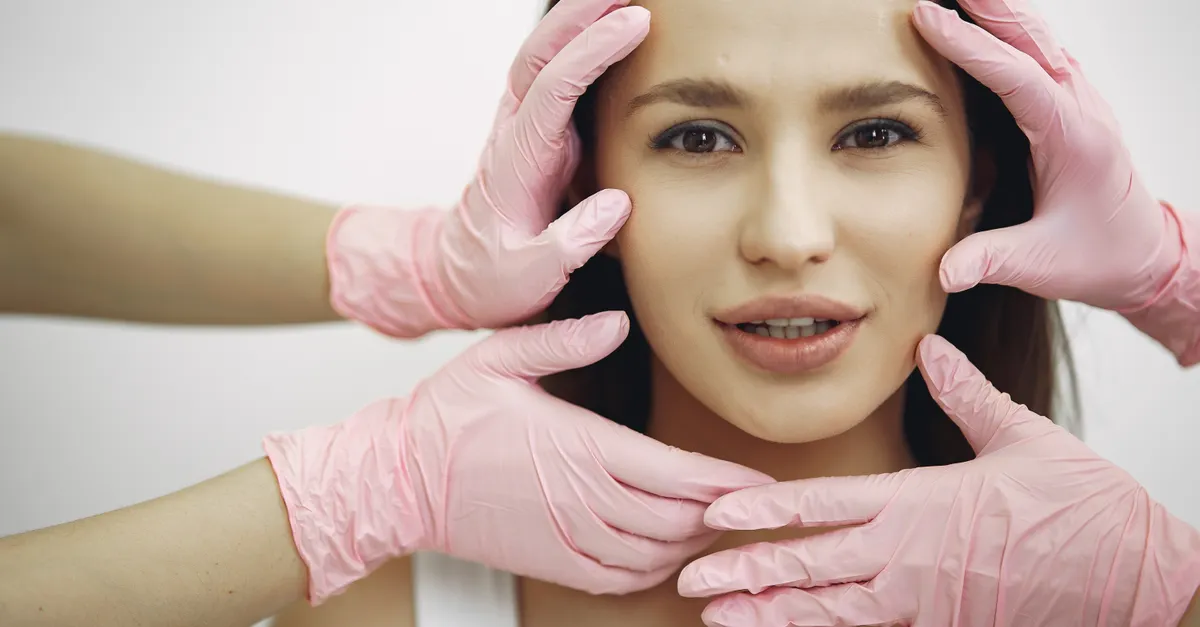
Sebum Control Treatments — How AGNES and Sebaceous Gland Therapy Work
Persistently oily skin and visibly enlarged pores often can't be resolved through cleansing routines or cosmetics alone. When excess oil production stems from the activity of the sebaceous glands themselves, dermatology clinics sometimes consider treatments that target the glands directly. One commonly discussed option is AGNES, alongside various sebum control laser approaches.
Why do sebaceous glands become overactive?
Sebaceous gland activity is shaped by a combination of factors — genetics, sensitivity of androgen receptors, stress, diet, and even seasonal changes. Many people see increased oil production after hormonal shifts during puberty, and some adults have genetically more developed sebaceous glands that lead to persistently oily skin. That said, individual variation is significant, and the same treatment can produce different results in different people.
How does the AGNES treatment work?
AGNES uses fine insulated needles to deliver radiofrequency energy locally to the sebaceous gland area. In theory, this selectively applies thermal stimulation to overactive gland tissue with the goal of reducing sebum output. However, this represents a partial modulation of gland function rather than a guaranteed elimination of oil production after a single session. It's often applied locally to acne-prone areas or regions with enlarged pores, and the treatment site and intensity should be determined by a physician based on individual skin condition.
How does it differ from sebum control laser treatments?
Unlike AGNES's more invasive approach, laser treatments aimed at sebum control generally use light energy of specific wavelengths applied to the skin surface to indirectly calm gland activity. This may involve less discomfort and downtime, but as with AGNES, the degree and duration of results can vary depending on individual skin condition and number of sessions. Both approaches are typically combined with cleansing and moisturizing routines, and sometimes topical treatments, rather than used as standalone solutions.
Does oil production decrease right after treatment?
Immediate changes right after the procedure aren't typically expected. The process by which gland tissue responds to stimulation and remodels itself takes time, and the timing and degree of noticeable change vary by individual. A single session also shouldn't be assumed to produce permanent results — ongoing maintenance may be needed to sustain improvement. Basic skin care such as sun protection and avoiding harsh exfoliation is generally recommended before and after treatment.
Does every oily skin type need this kind of treatment?
Having oily skin doesn't automatically mean a procedural approach is necessary. Some cases improve simply through better cleansing habits, non-comedogenic products, and dietary adjustments. On the other hand, when acne or enlarged pores are also present, it's advisable to have the skin properly assessed before deciding on treatment. Since hormonal imbalance or other skin conditions can also be underlying causes, consulting a dermatologist rather than self-diagnosing is the safer approach.
This information is provided for general reference only. Accurate diagnosis and treatment require consultation with a dermatologist.
Find more information on our skin health blog.