Isotretinoin (Roaccutane): What kind of medication is it?
Isotretinoin is a vitamin A derivative, an oral prescription medication used for the treatment of severe acne by suppressing sebaceous gland activity and regulating keratinization. Commonly known by the brand name Roaccutane, various generic medications also exist. It may generally be considered for severe inflammatory acne, nodular acne, and cystic acne that do not respond well to other treatments.
What effects can be expected when taking Isotretinoin?
Isotretinoin has a complex action that powerfully suppresses sebum secretion, a major cause of acne, normalizes abnormal keratinization within hair follicles, reduces the proliferation of acne bacteria (P. acnes), and alleviates inflammatory responses. Through these actions, it can help reduce the number of acne lesions, prevent new acne outbreaks, and lower the risk of scarring from severe acne. Treatment effects may vary individually and generally appear gradually over several weeks to months.
What are the possible side effects when taking Isotretinoin?
While effective, Isotretinoin can be accompanied by various side effects. The most common side effects are as follows:
- Skin and Mucous Membrane Dryness: Dry lips, dry skin, dry eyes, and nosebleeds due to nasal dryness are very common. The use of moisturizers and artificial tears is recommended.
- Muscle and Joint Pain: Some patients may experience muscle or joint pain.
- Liver Dysfunction: Rarely, liver enzyme levels may increase, so liver function should be monitored through regular blood tests.
- Hyperlipidemia: Blood triglyceride and cholesterol levels may increase. This also requires regular blood tests.
- Photosensitivity: Skin sensitivity to sunlight may increase, so sunscreen should be used consistently.
- Mood Changes and Depression: Although very rare, psychiatric side effects such as mood changes, depression, and suicidal thoughts have been reported. If these symptoms appear, consult a medical professional immediately.
- Teratogenicity: Isotretinoin is a powerful teratogenic drug that can cause severe birth defects in the fetus. Therefore, women of childbearing potential must strictly practice contraception before, during, and for a certain period after taking the medication.
In addition to these, various other side effects may occur, so if any unusual symptoms appear during treatment, you must consult a medical professional.
Precautions to Strictly Observe When Taking Isotretinoin
Isotretinoin should be taken under the accurate diagnosis and prescription of a medical professional, and the following precautions must be strictly observed.
- Pregnancy and Breastfeeding Prohibited: Women who are pregnant or may become pregnant must absolutely not take this medication. Pregnancy should be avoided during treatment, and for at least one month after discontinuing the medication. In men, it is known not to affect sperm.
- Regular Check-ups: Before and during treatment, blood tests should be performed periodically to check liver function, lipid levels, and other parameters.
- Alcohol Restriction: Alcohol consumption can burden the liver, so it should be avoided or minimized during treatment.
- Interactions with Other Medications: The risk of side effects may increase when used concurrently with certain medications, such as tetracycline antibiotics or vitamin A preparations, so you must inform your medical professional about all medications you are taking.
- Blood Donation Prohibited: Blood donation is prohibited during treatment and for a certain period after discontinuing the medication, as donated blood could affect a fetus if transfused to a pregnant woman.
- Caution with UV Exposure: The skin may become more sensitive to sunlight, so it is advisable to always use sunscreen and protect the skin with a hat or long clothing when outdoors.
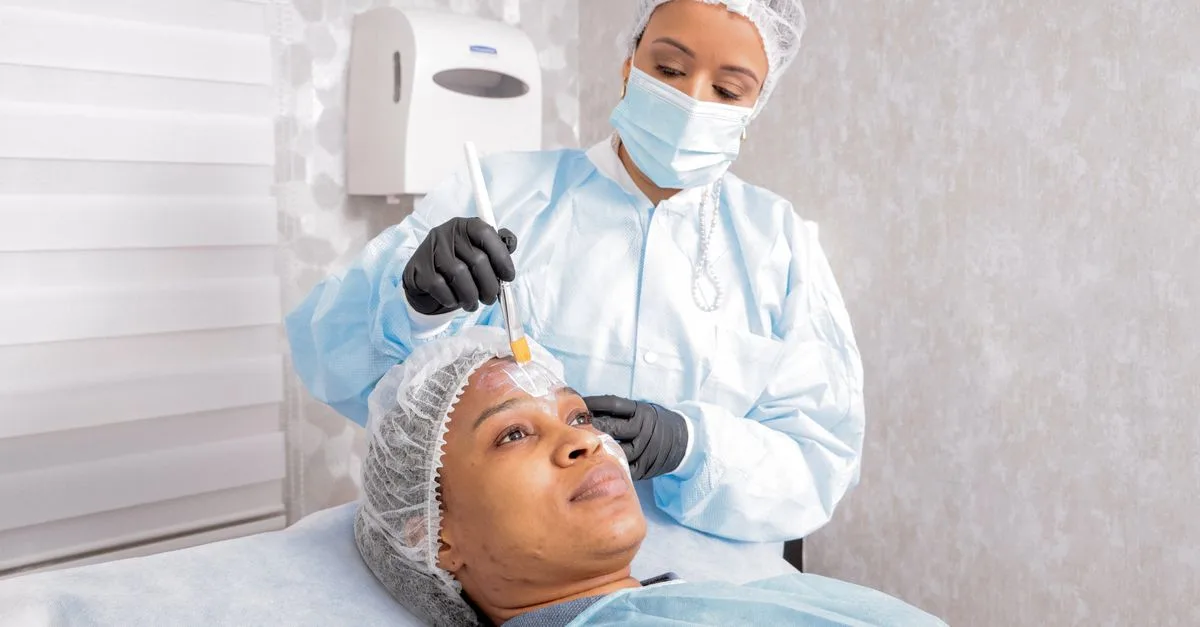
- Caution with Skin Procedures: During treatment or for a certain period after discontinuing the medication, skin-irritating procedures such as laser treatments, chemical peels, or waxing should be avoided, as skin regeneration capacity may be reduced, increasing the risk of side effects.
In Conclusion
Isotretinoin is undoubtedly a very effective medication for treating severe acne, but it requires equally careful administration and management. If you are considering taking it, it is crucial to consult thoroughly with a dermatologist to accurately understand if it is suitable for your condition, what potential side effects may occur, and how to manage them. Take the medication safely according to your specialist's instructions, and always communicate with your medical team if you have any questions or uncomfortable symptoms.